

Every creative journey begins with curiosity. You see a stunning poster, an eye catching social media design, or a sleek website and think, how did they make that? For many aspiring designers, this moment sparks a love for visuals and storytelling. The good news is that you do not need a fancy degree to dive in. With the right resources, plenty of practice, and a good dose of patience, you can build a portfolio that stands out from the crowd. Graphic design tutorials are the secret weapon for anyone starting out or leveling up. They simplify complicated tools, introduce practical techniques, and provide step by step guidance to bring your ideas to life. Whether you are sketching your very first layout or experimenting with advanced design concepts, tutorials give you the push to keep creating.
What makes them even better is their accessibility. You can explore graphic tutorials for beginners, download a handy graphic tutorials PDF to learn offline, or even watch free graphic tutorials at your own pace. From learning how to blend colors in Photoshop to discovering typography tricks, there is a tutorial for every skill level and every dream. In today’s creative world, your portfolio is more than a folder of work. It is your personal brand and your ticket to opportunities. Strong portfolios highlight your unique perspective and demonstrate your ability to apply techniques in fresh and engaging ways. By following the best graphic tutorials, you can build a collection of projects that not only showcase technical skills but also tell your story as a designer.
1. Why Graphic Design Tutorials are Essential for a Portfolio
A strong portfolio is not just a collection of random projects, it is a reflection of your growth, creativity, and technical ability. Tutorials play an essential role in building this because they give you structured guidance while still leaving room for personal expression. When you follow graphic tutorials for beginners, you start by learning the fundamentals such as color harmony, visual balance, and typography. These lessons give you the foundation to create designs that feel professional and intentional. As you progress to more advanced tutorials, you begin to experiment with layered effects, branding projects, and digital illustrations that bring depth to your portfolio. The beauty of tutorials is that they expose you to challenges you might not think of on your own. They push you to explore new tools, different styles, and creative solutions that expand your skill set. For example, a graphic design tutorials Photoshop project might teach you image manipulation, while a layout tutorial helps you present information clearly. Each exercise becomes an opportunity to not only learn but also to adapt and make the work your own. When you customize the outcome of a tutorial with your ideas, your portfolio shows originality rather than repetition.
In short, tutorials act as stepping stones. They give you confidence when you are just starting out, inspire creativity as you advance, and help you transform technical practice into meaningful portfolio pieces. Without them, many designers would find it difficult to progress beyond the basics or to demonstrate their abilities in a way that truly captures attention.
2. Exploring Free Graphic Tutorials
Not every designer starts with a budget, and that is perfectly fine. Free graphic tutorials are available online in abundance. They allow you to explore different techniques without financial pressure. You can test out design tools, create sample projects, and steadily improve. For example, tutorials focused on poster layouts or branding basics can give you portfolio pieces that feel professional and polished without spending a dime.
3. Turning Tutorials into Portfolio Projects
The true magic of tutorials lies in how you apply them. Do not just follow along and copy results. Instead, use tutorials as a foundation, then add your own twist. Change colors, try different layouts, or mix multiple techniques. This way, your portfolio pieces reflect originality and growth rather than simply mimicking exercises. Each tutorial becomes a stepping stone to finding your unique style.
FAQs
How do I teach myself graphic design?
You can teach yourself graphic design by starting with the basics through graphic tutorials for beginners, practicing regularly, and experimenting with projects. Online platforms offer free graphic tutorials, videos, and graphic design tutorials PDF guides that give you step by step learning. With consistency and curiosity, you can learn at your own pace and gradually build a strong portfolio.
What are the 7 rules of graphic design?
Balance, contrast, emphasis, proportion, hierarchy, alignment, and space are the seven common rules of graphic design. These concepts are frequently emphasized in tutorials with easy tasks that lead you through visual problem solving.
What are the 3 C’s of graphic design?
Creativity, consistency, and clarity. Clarity ensures your design communicates the message, consistency keeps your style and elements aligned, and creativity gives your work personality. Graphic tutorials often incorporate these principles through examples and challenges to practice.
How do beginners learn graphic design?
Beginners usually start with free graphic tutorials and beginner friendly lessons that cover core concepts. They can also download graphic tutorials for beginners PDF to keep lessons handy and follow structured steps. By combining tutorials with practice and personal projects, beginners gain both confidence and skill.
Can I learn graphic design on my own for free?
Yes, you can. Free graphic tutorials, online communities, and PDF resources make it completely possible to learn without cost. While advanced tools or certifications may eventually require investment, the basics can absolutely be learned for free through dedication, practice, and consistent exploration of tutorials.
4. The Role of PDF Resources
Sometimes, having a downloadable guide makes learning easier. Graphic tutorials PDF and graphic tutorials for beginners PDF give you structured lessons that can be saved for reference. They are especially useful for self learners who want to track progress and practice without always being online. Keeping a PDF library of tutorials is like carrying your own design coach wherever you go.
5. Tutorials Focused on Photoshop
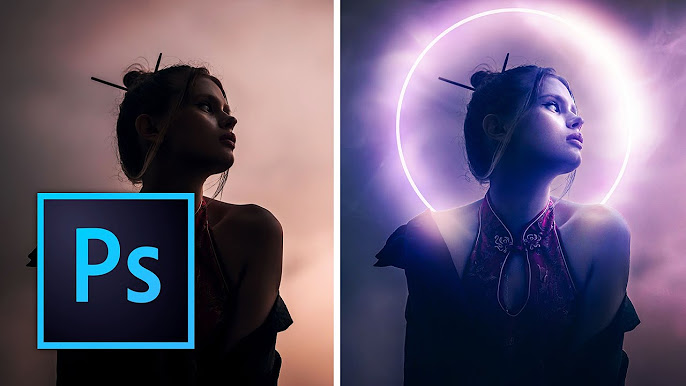
Photoshop remains one of the most popular tools for designers, and there is no shortage of graphic tutorials Photoshop focused. These tutorials can teach you essential skills such as photo editing, layer masking, text effects, and blending techniques. By adding Photoshop based projects to your portfolio, you can demonstrate versatility and prove you can handle both creative and technical aspects of design.
6. Growing with Structured Learning
While scattered tutorials are helpful, structured paths give your learning more direction. For instance, graphic design tutorials w3schools style of resources often present concepts step by step. This type of learning helps you connect the dots and apply techniques in a logical order. As you progress, you can blend different tutorials into your own creative projects, making your portfolio diverse and well rounded.
7. Graphic Design Tutorials for Beginners
Starting from scratch can feel overwhelming. Graphic tutorials for beginners are tailored to break down the basics into manageable steps. They usually cover topics like understanding layers, experimenting with typography, and working with simple shapes. Many also provide graphic design tutorials for beginners PDF versions so you can study offline and review at your own pace. These resources help you grasp foundational skills and give you confidence to move forward.
In the end, building a strong portfolio is all about practice, creativity, and showcasing your growth as a designer. Graphic tutorials provide the guidance and inspiration you need to sharpen skills, explore new techniques, and turn ideas into polished projects. Whether you start with free graphic design tutorials, dive into Photoshop lessons, or keep a library of graphic tutorials PDF, each step brings you closer to a portfolio that reflects your unique style and talent. Keep learning, keep experimenting, and let your portfolio tell your story.