

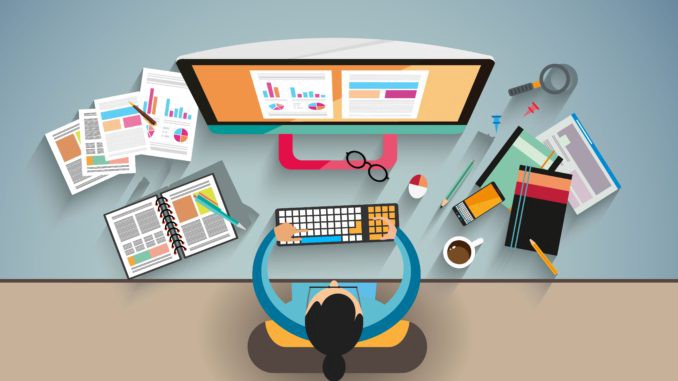
The digital world is evolving at lightning speed, and with it, the way we experience websites is transforming too. Every time we open a new site, we are not just looking for information but also an experience that captures our attention, sparks curiosity, and keeps us engaged. Creative web design is no longer just about pretty layouts or flashy colors; it is about telling a story, making navigation intuitive, and creating a digital environment that feels alive. Designers are constantly seeking fresh creative website design ideas that go beyond the ordinary and leave a lasting impression.
Whether you are a business owner, a budding designer, or someone curious about digital aesthetics, understanding the latest trends can be a game changer. From interactive animations to immersive visuals, creative web design now blends technology with imagination. Online courses and tutorials provide designers with the tools to stay ahead, while real-world examples demonstrate how creativity can elevate user experience. Even templates are evolving, offering more flexibility and customization options than ever before. This year, the focus is on innovation, authenticity, and human-centered design that makes every click meaningful.
Creative Web Design: Emerging Visual Trends
Visuals are at the heart of creative website design, and this year, designers are pushing boundaries to create more immersive and memorable experiences. Bold color palettes, striking gradients, and custom illustrations are replacing generic stock images, giving websites a distinctive personality. Minimalism remains popular, but it is being enhanced with dynamic elements such as scroll-triggered animations, interactive hover effects, and subtle motion graphics that guide users naturally through a page. Designers are also experimenting with layering and depth, using shadows, overlapping shapes, and three-dimensional elements to make content feel more tangible and engaging. Typography has become a visual tool in itself, with large, expressive fonts and kinetic text drawing attention to key messages. Creative website design examples show that these techniques not only make websites visually appealing but also improve usability by highlighting important sections and enhancing navigation. Even templates are evolving to support these features, allowing designers to implement complex visual concepts without starting from scratch. By embracing these emerging visual trends, creative website design transforms websites from static pages into experiences that captivate users and leave a lasting impression.
Immersive User Experiences
Immersive user experiences are becoming a cornerstone of creative website design, transforming websites from static information sources into interactive journeys. Designers are using storytelling techniques that guide users through content in a way that feels natural and engaging. Scroll-triggered animations, parallax effects, and video backgrounds are just a few of the tools that help create a sense of depth and movement, making users feel like they are part of the story rather than passive observers. Interactive infographics, clickable elements, and dynamic content allow visitors to explore information at their own pace, increasing engagement and retention. Creative web design courses emphasize the importance of blending aesthetics with usability to ensure these experiences are not only visually stunning but also intuitive. By focusing on immersion, designers can evoke emotions, highlight key messages, and make websites more memorable. This approach turns every visit into an experience, encouraging users to stay longer, interact more, and form a stronger connection with the brand or message being presented.
FAQs
What is creative web design?
Creative website design is the process of crafting websites that are visually appealing, user-friendly, and innovative. It combines aesthetics, usability, and interactivity to create engaging digital experiences that captivate visitors and communicate a brand’s message effectively.
What are the 5 golden rules of web design?
The five golden rules include simplicity, consistency, clear navigation, responsiveness, and fast loading times. Following these principles ensures that a website is user-friendly, accessible, and visually harmonious, enhancing the overall experience.
How much should a full website design cost?
The cost of a full website design varies depending on complexity, features, and customization. A basic website may cost a few hundred dollars, while advanced websites with custom graphics, interactive elements, and e-commerce functionality can range from several thousand to tens of thousands of dollars.
What is the 3 second rule in web design?
The 3 second rule refers to the idea that visitors should understand the purpose of a website within three seconds of landing on it. Clear messaging, intuitive design, and engaging visuals help ensure that users remain interested and explore further.
What is the 80 20 rule in web design?
The 80 20 rule suggests that 80 percent of a website’s value comes from 20 percent of its content or features. Focusing on the most important elements and prioritizing user needs ensures an efficient and effective design that delivers maximum impact.
Personalization and AI Integration
Creative website design is increasingly leveraging personalization and artificial intelligence to make websites feel smarter and more responsive. Personalization allows websites to adapt content, recommendations, and visuals based on individual user behavior, preferences, and past interactions. For example, returning visitors may see products or articles that match their interests, creating a more engaging and relevant experience. AI integration enhances this capability by automating tasks such as chat support, content curation, and predictive analytics, allowing designers to focus on creativity while the system responds intelligently to user needs. Even creative website design templates now often support dynamic content powered by AI, enabling websites to provide tailored experiences without requiring extensive manual updates. This combination of personalization and AI not only increases user satisfaction but also boosts engagement, retention, and conversions. By embracing these tools, designers can create websites that feel alive and intuitive, transforming routine browsing into a unique, user-centered journey.
Typography and Micro-Interactions
Typography and micro-interactions are subtle yet powerful elements in creative website design that significantly enhance user engagement. Typography is no longer just about legibility; it has become a central design tool. Designers are experimenting with bold, oversized fonts, custom typefaces, and dynamic text animations that respond to scrolling or hovering. These techniques help communicate a brand’s personality and draw attention to key content. Micro-interactions, such as animated buttons, hover effects, progress indicators, and subtle notifications, provide feedback to users and make navigation feel more intuitive and responsive. These small, interactive details guide users through a website seamlessly, improve usability, and create moments of delight that make the experience memorable. Creative web design examples show that when typography and micro-interactions are thoughtfully combined, they not only enhance the visual appeal of a site but also increase engagement, encourage exploration, and strengthen the overall user experience.
Sustainability and Accessibility
In today’s digital landscape, creative website design goes beyond aesthetics to embrace responsibility and inclusivity. Sustainable web design focuses on creating websites that minimize energy consumption, optimize performance, and reduce unnecessary data usage. This means using lightweight code, compressing images, and avoiding resource-heavy animations that can slow down loading times. Not only does this approach benefit the environment by lowering the carbon footprint, but it also improves user experience, especially for visitors with slower internet connections. Accessibility, on the other hand, ensures that websites are usable by everyone, including people with disabilities. This includes implementing clear navigation, readable typography, proper color contrast, keyboard-friendly controls, and screen reader compatibility. Combining sustainability with accessibility demonstrates that creative website design can be innovative while remaining ethical and inclusive. Designers who prioritize these principles show that beauty and functionality do not have to come at the expense of responsibility, creating experiences that are meaningful, approachable, and universally enjoyable.
Top 10 Creative Web Design Templates
To stay inspired, designers often explore the top 10 creative websites, observing how other professionals implement cutting-edge trends. Likewise, creative website design templates have become more sophisticated, offering ready-made solutions that can be customized to align with a brand’s vision. These resources allow designers to experiment with layouts, color schemes, and interactive elements without starting from scratch.
In the end, creative website design continues to push boundaries and redefine what a website can be. From bold visuals and immersive storytelling to AI personalization and ethical considerations, this year promises exciting possibilities. Staying updated with trends, exploring creative web design ideas, and learning through courses can help designers craft experiences that are not only visually stunning but also meaningful and user-friendly. By focusing on innovation, usability, and authenticity, creative website design is transforming the way we interact with the digital world.