

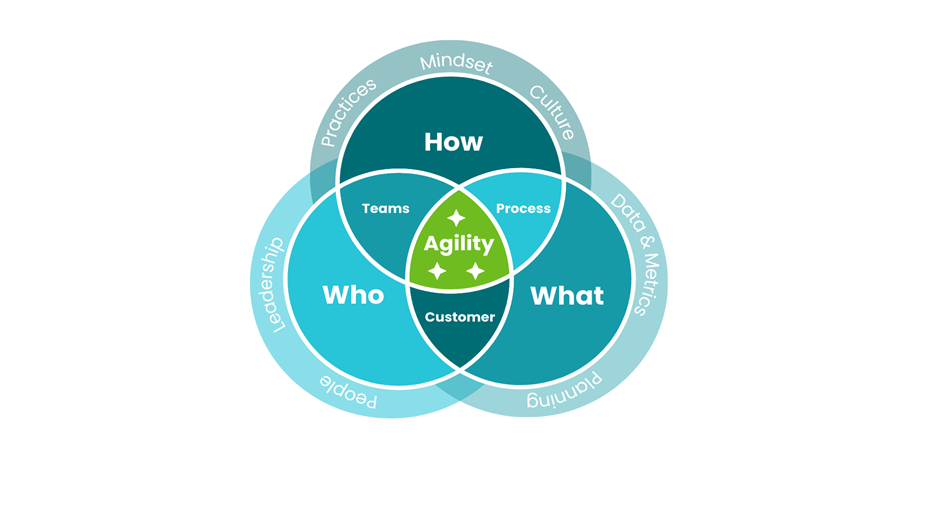
In today’s fast moving digital world, marketing teams face one constant challenge: keeping up with change. New trends rise overnight, consumer behavior shifts without warning, and competitors are always one step away from taking the spotlight. The old way of running campaigns with long planning cycles and rigid structures no longer works. What brands need now is a mindset that embraces speed, flexibility, and creativity all at once. This is where design for agile marketing examples becomes a game changer. Think of it as a balance between art and adaptability. It gives marketing teams the power to experiment, learn, and evolve quickly. Instead of waiting months to launch a campaign, teams can create smaller versions, test ideas, and adjust in real time.
The focus is on progress, not perfection. And that shift changes everything. But design for an agile market is not just a method; it is a culture. It encourages open communication, quick feedback, and collaboration across teams. It removes the walls between designers, strategists, and content creators, turning them into one powerful creative unit. The result is faster campaigns that feel authentic and relevant. When brands adopt this mindset, they stop reacting to change and start leading it. This article explores how design for the agile market works, why it delivers faster results, and how your team can start using it today.
The Power of Design for Agile Marketing
Design for an agile market blends creative strategy with agile principles. The goal is simple: create a marketing process that is flexible, transparent, and customer focused. It borrows from the Agile marketing Manifesto, which values adaptability, collaboration, and quick delivery over long documentation and rigid plans.
This approach allows teams to break big projects into smaller, manageable tasks called sprints. Each sprint focuses on a clear goal, such as testing a new ad concept or launching a quick social campaign. After each sprint, the team reviews the results, learns what worked, and improves the next round. The beauty of this system is that feedback is constant, which helps marketers refine their message before committing to large-scale campaigns.
A design for an agile marketing template helps teams stay aligned. It provides a visual map of each sprint, including goals, timelines, and responsibilities. Instead of scattered to-do lists, the template gives everyone a shared view of progress. It also helps track metrics and ensure creative efforts connect directly with business outcomes.
Real World Impact
To understand the true potential, consider a design for an agile marketing example. Imagine a brand preparing for a product launch. In a traditional setup, the team might spend months building the campaign before releasing it. By the time it goes live, market trends could already have shifted.
Now imagine the same project under an agile system. The team starts with a small launch, gathers customer feedback, and adapts quickly. If the audience responds well to a message, they double down. If not, they adjust without wasting months of work. Within a few weeks, they can refine the campaign, improve visuals, and test new offers. This approach not only saves time but also increases the chance of success because every decision is data driven.
Building an Agile Marketing Team
Building an agile marketing team starts with people who care about results and learning. Begin by selecting individuals who bring complementary skills and who enjoy working closely with others. Include a strategist to set direction, a designer to shape visuals, a content creator to tell the story, an analyst to measure impact, and a delivery lead to keep sprints on track. Structure the team to be cross functional so each sprint can move from idea to test without handoffs that slow progress.
Create short regular rituals that make communication simple and predictable, for example quick stand up meetings to surface blockers and weekly reviews to share what was learned. Give the team clear goals and shared metrics so every member understands how their work moves the needle. Encourage a culture of psychological safety where experiments are welcomed and failures are treated as learning. Use lightweight tools and a design for agile marketing template to map priorities and show progress. Over time the team will tighten its feedback loops and become faster at turning insight into campaigns that resonate with real people.
FAQs
What is the Agile framework for marketing?
The Agile framework for marketing is a flexible process that focuses on delivering value quickly through short, focused cycles known as sprints. Teams plan, test, and refine their campaigns continuously, allowing for quick adjustments based on data and customer feedback.
What is the 3 5 3 rule in agile?
The 3 5 3 rule refers to the three roles, five events, and three artifacts in Agile practice. It ensures teams have clear responsibilities, structured communication, and consistent goals that keep projects transparent and efficient.
What are the 5 C’s of agile?
The 5 C’s of agile include collaboration, communication, commitment, creativity, and continuous improvement. These principles keep teams connected, motivated, and focused on delivering results that matter.
What is Agile marketing?
Agile marketing is an adaptive approach that allows marketers to respond quickly to changes in the market. It replaces long planning cycles with short, iterative processes that focus on learning, testing, and improving through teamwork and customer feedback.
What are the 7 P’s in a marketing plan?
The 7 P’s are product, price, place, promotion, people, process, and physical evidence. They form the foundation of any marketing strategy and help ensure every part of a campaign aligns with customer needs and business goals.
Benefits of Agile Marketing
The benefits of agile marketing reach far beyond faster turnaround times. At its core, this approach transforms how teams think, create, and collaborate. One of the biggest advantages is adaptability. In traditional marketing, campaigns often take months to plan, which makes it difficult to respond to sudden market changes. With an agile mindset, teams can pivot quickly when new trends emerge or when data shows a shift in audience behavior. This flexibility helps brands stay relevant and keeps their messaging fresh. Another major benefit is improved teamwork.
Since the agile marketing team structure encourages open communication and shared responsibility, silos disappear. Designers, writers, strategists, and analysts work side by side, making decisions together and building trust. Transparency becomes a natural part of the process because everyone can see progress and contribute to it. Agile marketing also boosts creativity. When teams work in short sprints, they are encouraged to test bold ideas without fear of failure. Each round of feedback leads to smarter, more impactful campaigns.
This sense of experimentation helps uncover what truly connects with the audience. Additionally, the benefits of agile marketing include stronger alignment between marketing efforts and business goals. By using metrics and real-time data, teams can measure the success of every sprint and adjust accordingly. Over time, this continuous learning process leads to better performance, reduced waste, and higher return on investment. Agile marketing builds confidence within teams because progress is visible, achievements are frequent, and results are measurable. It turns marketing into a living, evolving process that grows stronger with every cycle.
Design for Agile Marketing: How to Get Started
To adopt design for agile and marketing, start small. Choose one campaign or project as your test case. Use a design for an agile marketing template to organize your plan, define sprint goals, and track progress. Encourage team members to share feedback openly and often. After each sprint, hold a short review meeting to discuss what worked and what did not.
It is also important to build a culture of trust. Agile marketing thrives in an environment where people feel safe to share ideas and take creative risks. Recognize small wins, celebrate learning, and keep communication open. Over time, these habits will transform your workflow into a creative engine that runs smoothly and efficiently.
In the end,. design for agile marketing is not just another trend; it is a shift in how marketing gets done. It replaces slow, rigid systems with a flexible, collaborative rhythm that keeps brands relevant. When teams use agile principles, they do not just move faster they move smarter. Every step is guided by feedback, data, and creativity. With the right mindset, structure, and tools, any team can unlock the secret to faster campaigns. The future of marketing belongs to those who can adapt quickly and design with agility at the core.