

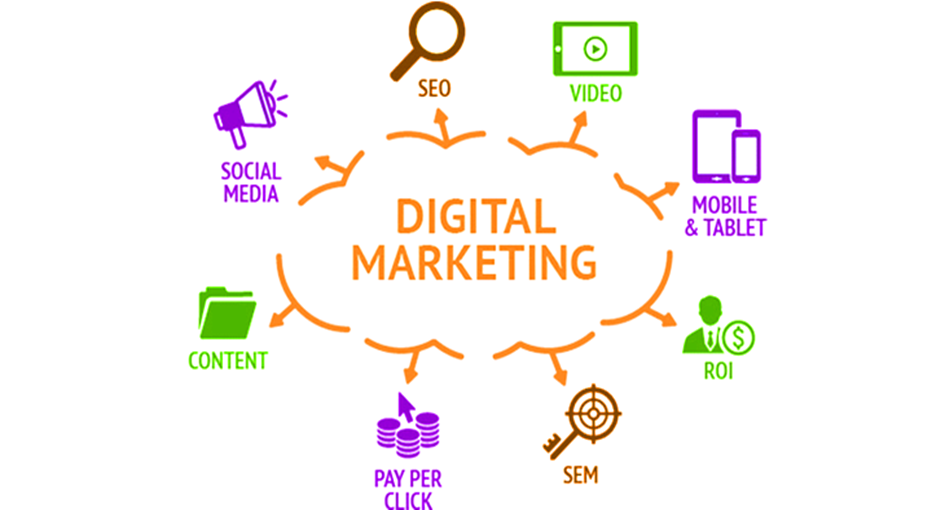
Every startup begins as a dream, often with nothing more than a simple idea scribbled on paper, countless sleepless nights, and the hope that the world will notice. The journey from a small idea to a successful business is rarely easy. In fact, many founders struggle with one of the biggest challenges in the early stages, getting noticed in a noisy market where established brands already dominate. At this stage, you are not only building a product or service but also building trust, credibility, and visibility. This is where the right digital marketing strategy for startups becomes the backbone of growth. It gives small businesses the power to stand alongside giants without needing massive budgets. Think about how many businesses started in garages or coffee shops and now hold global recognition.
They were once in the same position as you, facing uncertainty but driven by determination. With the right mix of creativity, planning, and persistence, digital marketing can transform an unknown brand into a trusted name. Human connection matters more than ever in today’s digital world. People do not just buy products, they buy stories, experiences, and solutions to their problems. That is why a strong digital marketing plan is not about shouting the loudest, it is about reaching the right people at the right time with the right message. In this article, we will explore how you can move from zero to hero by creating a digital marketing strategy that helps your startup stand out, grow sustainably, and win the attention it deserves.
Understanding the Role of Digital Marketing Strategy for Startups Growth
Startups often compete with limited budgets, so every step of the marketing plan must count. A digital marketing strategy for startups is more than just social media posts or search engine ads, it is a roadmap that guides your brand to attract, engage, and convert customers. The beauty of digital channels lies in how measurable and scalable they are. Even if you start small, you can monitor what works, adjust quickly, and gradually build momentum.
Building the Foundation
Before diving into ads or content, a startup must understand its audience. Who are they, what problems do they face, and how does your product solve them? This clarity helps create meaningful campaigns rather than random efforts. Start by defining your brand voice, setting achievable goals, and creating content that resonates with your ideal customers. A startup marketing strategy example could be a new eco friendly skincare brand that focuses on sharing real stories from users while educating people about natural ingredients. This authentic connection makes digital marketing powerful.
Content that Connects
Content remains the lifeline of digital marketing. Blog posts, videos, podcasts, and social media updates all work together to tell your story. For instance, when someone searches for a digital marketing strategy for startups example, they are not looking for jargon, they want simple, actionable ideas. Educational and relatable content helps you gain trust and keeps people returning to your brand. Creating a library of valuable resources also helps in the long run. Many founders create free guides such as a marketing strategies for startups PDF that can be downloaded in exchange for an email address. This small step builds an email list, which becomes a direct channel to nurture potential customers.
Leveraging Social Media
Social media is one of the fastest ways to grow visibility. Platforms like Instagram, LinkedIn, or TikTok are not only for big brands. Startups can use them to showcase behind the scenes moments, customer testimonials, or even quick tips. The key is to stay consistent and authentic. Remember, social media is not just a broadcast channel, it is a conversation. Reply to comments, engage with trends, and make your brand approachable.
FAQs
What is the best digital marketing strategy for startups?
The best approach is a mix of content marketing, social media engagement, search engine optimization, and paid ads used strategically. Since startups often work with small budgets, focusing on creating value driven content and building authentic connections provides sustainable growth. Over time, data helps refine efforts into a tailored plan that works best for your specific audience.
What is the 70 20 10 rule in digital marketing?
This rule suggests that 70 percent of content should be valuable and educational, 20 percent should be content shared from other sources or collaborations, and 10 percent can be promotional. The idea is to keep the majority of your content audience focused so that you are always building trust before making sales pitches.
What are the 7 C’s of digital marketing?
The 7 C’s include customer, content, context, community, convenience, coherence, and conversion. Each plays a role in ensuring your strategy is customer centric and results oriented. Together they help startups create meaningful campaigns that connect with audiences at multiple levels.
What are the 4 P’s of startup?
The 4 P’s stand for product, price, place, and promotion. For startups, these are the cornerstones of any marketing plan. Defining what you sell, how much it costs, where you make it available, and how you promote it helps create a solid business foundation.
What are the top 7 types of digital marketing strategies?
The main types include search engine optimization, content marketing, social media marketing, email marketing, influencer partnerships, paid advertising, and affiliate marketing. Startups do not need to use all of them at once. Instead, they should pick the ones most relevant to their target audience and grow gradually.
Search Visibility Matters
Having a website is important, but making sure people find it is even more crucial. Search engine optimization is one of the best digital marketing strategies for startups because it creates long term visibility. By targeting specific keywords and publishing helpful content, you can gradually climb search rankings and reach more people organically. For example, publishing blog posts that explain the top 10 marketing strategies for startups can attract founders who are searching for practical advice.
Paid Advertising with Purpose
Paid ads can be a smart way to boost growth quickly if done with clear intent. Instead of spending large amounts, start small with test campaigns. Use data to understand which audience responds best and which messages convert. Over time, this method helps you maximize returns without wasting resources. Think of it as a shortcut to accelerate awareness while your organic strategies are still growing.
Tracking and Measuring Success
One of the advantages of digital marketing is the ability to measure every action. Track key metrics like website visits, social media engagement, and conversion rates. These numbers tell you whether your strategy is working or needs adjustment. Growth is rarely linear, but consistent tracking ensures you always know which direction you are moving.
Digital Marketing Strategy for Startups Inspiring Examples
Consider a startup marketing strategy example where a small fitness brand created short, relatable home workout videos during the pandemic. The content went viral, and within months, the brand gained loyal followers who later converted into paying customers. Another digital marketing strategy for startups example is a local coffee subscription that used storytelling on social media to share the journey of farmers. This emotional connection helped them grow nationally. These examples show that creativity often matters more than budget.
From Zero to Hero
The journey of building a startup is filled with uncertainty, but the right marketing path brings clarity. Whether you are crafting content, building an email list, or experimenting with ads, the goal is always the same, to connect with people in a way that feels human and valuable. By focusing on long term trust rather than quick wins, your startup can move from zero to hero and build a brand that lasts.
In the end, a strong digital marketing strategy for startups is not about spending the most money but about making every move with intention. By understanding your audience, creating valuable content, building authentic connections, and tracking results, even the smallest startup can grow into a trusted brand. With consistency and creativity, your journey from zero to hero is not just possible, it is inevitable.