

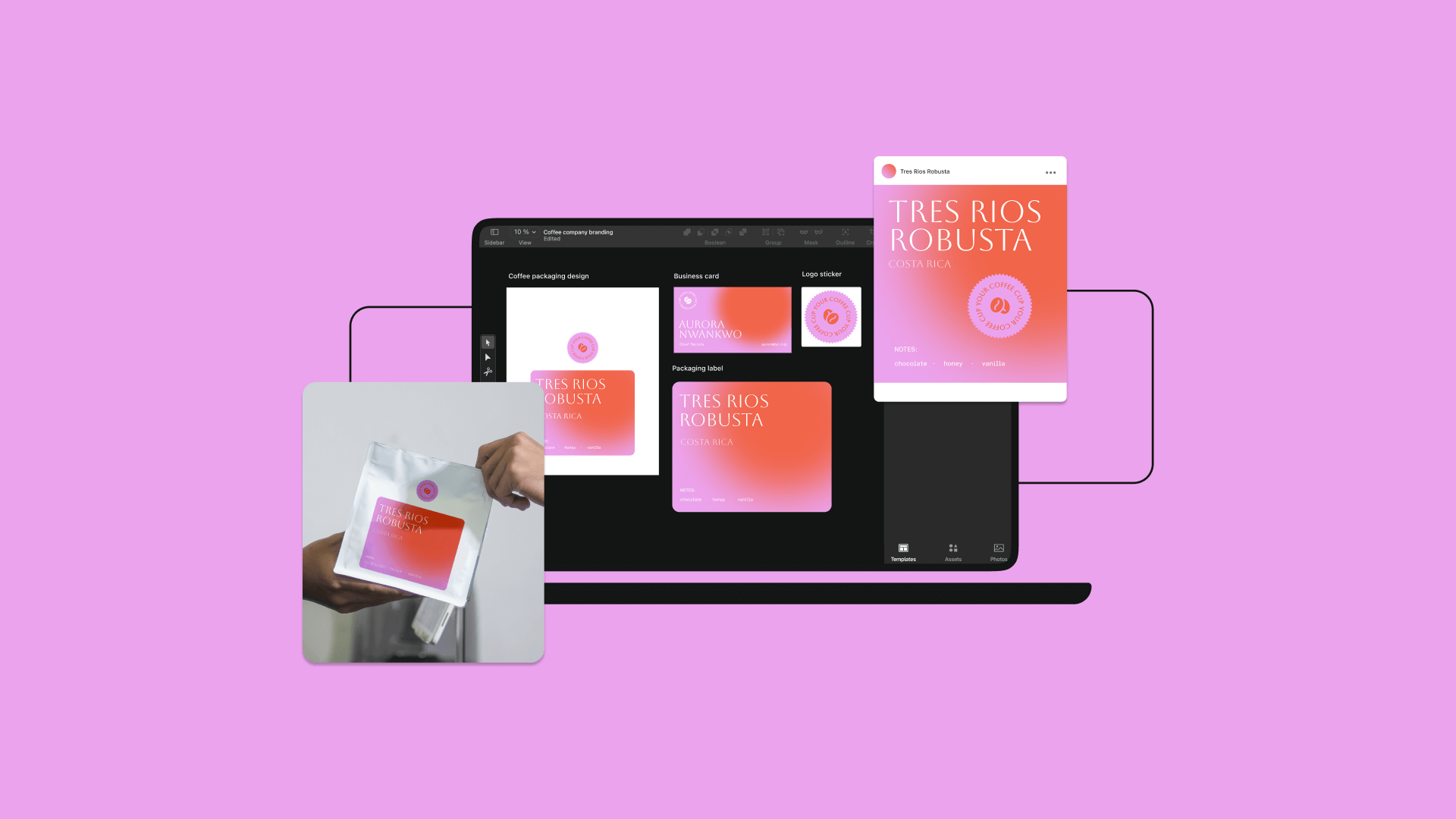
When was the last time you browsed a company’s website or entered a store? Before you read a single word, you probably formed an opinion. Maybe the colors felt warm and welcoming, maybe the logo stuck in your memory, or maybe the overall design made you trust the brand instantly. This is the power of graphic design for branding. It shapes how we see and feel about a business long before we try its products or services. We live in a world where people make snap decisions in seconds. A business can have a great product, but if the branding feels unpolished or confusing, customers may look elsewhere. On the other hand, a strong design can make a brand feel professional, relatable, and trustworthy at first glance. Every element, from colors and fonts to logos and layouts, plays a role in shaping customer perceptions.
What makes this even more fascinating is that customers often cannot explain why they prefer one brand over another. The answer usually lies in how the design made them feel. A clean and consistent design communicates reliability, while bold and creative choices communicate innovation. In short, design is not decoration, it is psychology in action. This article will explore how graphic for branding impacts the way customers think, feel, and respond to businesses. We will look at real branding design examples, talk about tools and templates, and even touch on free graphic for branding resources that can help any business stand out.
Graphic Design for Branding: The Power of First Impressions
Customers often decide how they feel about a brand in the very first few seconds of contact. This could be through a website, product packaging, a social media post, or even a simple business card. A well crafted logo, the right choice of colors, and a balanced layout can instantly signal professionalism, creativity, or trustworthiness. First impressions are not just about what people see, they are about how design makes them feel. For example, bold and playful colors can communicate energy and innovation, while clean and minimal branding design examples reflect sophistication and reliability. Even free graphic design for branding tools, when used with intention, can help a business project the right image from the start. In today’s competitive market, customers have countless options at their fingertips, which means that strong first impressions are not optional, they are essential. Good design becomes the silent ambassador of a brand, influencing customer perceptions long before they read the details or experience the product.
Why Graphic Design Influences Trust
When a brand uses poor design, inconsistent visuals, or outdated graphics, customers often assume the same lack of care applies to the business itself. For example, even simple branding design examples like clean layouts or balanced color palettes create reassurance that the brand knows what it is doing.
Emotional Connection Through Design
Graphic for branding works because it taps into emotions. A graphic design for branding template, when used well, can help keep that emotional connection consistent across platforms. Whether it is packaging, websites, or social media posts, design has the power to make customers feel understood and valued.
Consistency Creates Recognition
When customers see the same logo, fonts, and color palette used across websites, packaging, and social media, they begin to associate those visuals with the brand itself. Imagine coming across a company that uses one style on its website, another on its brochures, and a completely different look on social media. Graphic for branding templates and even free graphic for branding tools make it easier to achieve this alignment, especially for small businesses that want to look polished without a huge budget. Recognition also grows stronger over time. The best graphic for branding does not just catch attention, it sticks in memory so that the next time a customer sees a product or ad, they instantly know who it belongs to. Consistency is the bridge between design and identity, turning simple visuals into a recognizable and trustworthy brand image.
FAQs
How is graphic design used in branding?
Graphic design is used in branding to create a visual identity that customers recognize and trust. It includes logos, colors, typography, packaging, and digital designs. Each of these elements communicates personality, values, and professionalism. When done consistently, design becomes a language that tells customers what a brand stands for and why they should choose it.
How much does a graphic designer charge for branding?
The scope of the work, project size, and experience all influence branding design expenses. Freelancers may charge anywhere from a few hundred to several thousand dollars, while established designers or agencies can charge more for complete brand identity packages. Many small businesses also start with free graphic for branding tools before investing in professional help.
How to do branding as a graphic designer?
A graphic designer approaches branding by first understanding the brand’s story, values, and target audience. They then create visual elements like logos, color schemes, and style guides that reflect these qualities. The goal is to design a consistent identity that can be applied across all platforms. Designers often start with a branding template or mood board before developing final assets.
Can a graphic designer be a brand designer?
Yes, a graphic designer can evolve into a brand designer. Brand design adopts a more comprehensive approach, making sure that the visuals are in line with strategy and messaging, whereas graphic design concentrates on producing images. Many graphic designers expand their skills into brand design by learning about consumer psychology, storytelling, and marketing.
How to design a logo for branding?
Designing a logo for branding begins with research and brainstorming. A designer considers the target audience, industry, and brand personality. Simple shapes, clear typography, and meaningful symbols are often used to create logos that are memorable and versatile. The best logos work well across different platforms, from websites to packaging, without losing clarity.
Learning from Real Branding Design Examples
One of the best ways to understand design’s role in branding is by looking at graphic design for branding examples. These show how a clear visual identity can transform the way people view a company. For instance, when a brand updates its design with cleaner visuals or bolder colors, it often refreshes customer perceptions too.
Using Graphic Design Templates and PDFs
Many businesses wonder where to start. A simple step is downloading a graphic design for branding pdf or using a ready to edit graphic for branding template. These resources offer a starting point that can be customized to reflect a brand’s unique personality. While professional designers bring expertise and creativity, templates are great for smaller businesses who need consistency but have limited budgets.
Graphic Design for Branding: How Customers Translate Design into Value
Customers may not consciously analyze colors, shapes, or typography, but they instinctively translate them into value. A polished design makes a product seem more premium, while cluttered visuals may suggest low quality. The best graphic for branding balances beauty with clarity, guiding the customer to trust not just the look but the brand itself.
In the end, best graphic design for branding is far more than visuals, it is the language that shapes how customers see, feel, and connect with a business. From first impressions to long term trust, design influences perceptions in ways words alone cannot. By using consistent colors, logos, and layouts, and learning from branding design examples or templates, any business can create an identity that stands out and stays memorable.