

The internet feels instant and direct. You type a website address, press enter, and within seconds, the page appears on your screen. Most users never think about the complex chain of communication happening behind that simple action. Every click, search, and download involves data traveling between devices, networks, and servers across the globe. Proxy websites add another layer to this communication, acting as an intermediary that quietly manages how data moves between users and the internet.
Proxy websites have grown in popularity as people look for ways to maintain privacy, bypass restrictions, and improve browsing control. How proxy websites actually work: They serve as a middle step between the user and the destination website, helping mask identity and sometimes improving access speed or security. Many people encounter proxies while trying to access blocked content, improve network performance, or maintain anonymity while browsing. Despite their widespread use, there is still confusion about how these tools actually function behind the screen.
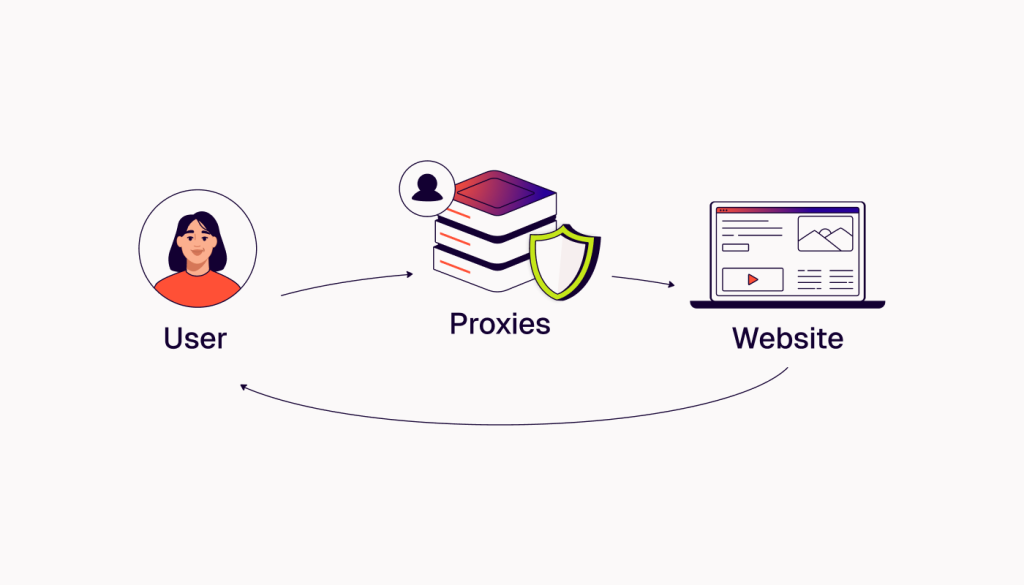
Understanding proxy websites requires breaking down how internet requests normally travel. When you visit a website, your device sends a request to the website’s server using your IP address, which acts like a digital home address. Proxy websites change this flow by receiving your request first, forwarding it to the destination, and then returning the response to you. This process may sound simple, but it involves advanced routing, caching, filtering, and identity masking technologies.
Learning how proxy websites work helps users make informed decisions about online privacy and security. It also clarifies common misunderstandings, such as how proxies differ from other privacy tools and what risks they might involve. By exploring how these systems operate behind the scenes, users gain a clearer view of how data travels and how online identity can be managed more effectively.
How Proxy Websites Actually Work: The Basic Role of Proxy Websites
Proxy websites act as digital intermediaries that sit between your device and the internet. Instead of connecting directly to a website, your request first goes through the proxy server. The proxy server example processes your request and forwards it to the destination site. When the destination sends back information, it returns to the proxy first, which then delivers the data to you.
This process hides your original IP address from the destination website. The site sees the proxy server’s IP instead of yours. This is one of the main reasons people use proxy websites. They help provide a layer of privacy and allow users to access content that may be restricted in their region.
Proxies also help control data flow. Organizations and individuals sometimes use them to monitor traffic, block certain websites, or filter harmful content. This makes proxies valuable tools for managing internet usage and protecting devices from unwanted exposure.
Step-by-Step Breakdown of the Proxy Process
Understanding the behind-the-scenes activity requires examining each stage of the proxy interaction.
1. User Request Submission
When you enter a web address through a proxy website, your request does not go straight to the destination server. Instead, it travels to the proxy server. The proxy examines the request and determines how to process it.
2. Request Forwarding
Once the proxy validates your request, it forwards it to the destination website. During this step, the proxy replaces your IP address with its own. The destination server believes the request is coming from the proxy rather than your device.
3. Response Handling
The destination website sends its response back to the proxy server. The proxy may store a copy of the data for caching purposes or filter certain elements based on settings.
4. Data Delivery
Finally, the proxy sends the response back to your device. To you, the process appears seamless and immediate, even though your request traveled through an additional layer.
Types of Proxy Servers and Their Functions
Proxy websites use different types of proxy servers depending on their purpose.
1. Forward Proxies
These proxies work on behalf of users. They receive requests from users and send them to the internet. They are commonly used for privacy protection and bypassing geographic restrictions.
2. Reverse Proxies
Reverse proxies operate on behalf of web servers. They receive requests from users and direct them to the correct server. These proxies help balance traffic and improve performance.
3. Transparent Proxies
These proxies do not hide your IP address. They are often used for monitoring or filtering internet traffic.
4. Anonymous Proxies
Anonymous proxies disguise their identity as proxies while concealing your IP address. They provide moderate privacy protection.
5. High Anonymity Proxies
These proxies provide the highest level of privacy by hiding both your IP address and the fact that you are using a proxy.
Understanding Online Discussions About Proxy Functionality
Many users explore how proxy websites actually work reddit discussions to learn from shared experiences. These conversations often highlight both benefits and risks. Users frequently discuss performance differences, privacy expectations, and compatibility with various websites. While these discussions provide helpful insights, they should be supported by technical understanding to avoid misinformation.
FAQs
How do proxy websites work?
Proxy websites serve as intermediaries between users and the internet, forwarding webpage requests and responses. They conceal the user’s IP address, filter or cache content, and can enhance privacy, manage traffic, and potentially bypass restrictions based on setup and server quality.
Can websites detect if you are using a proxy?
Yes, many websites can detect proxy usage through traffic analysis and IP monitoring. They examine request patterns, location inconsistencies, and IP reputation databases to identify proxy connections. Some websites block proxy traffic to prevent misuse or enforce regional restrictions. Advanced proxies may reduce detection risk, but they cannot guarantee complete anonymity. Detection methods continue to improve as websites strengthen security measures and tracking technologies.
Are proxy websites illegal?
Proxy websites are typically legal for legitimate uses like privacy protection or network management, but may violate laws or service terms if used to bypass restrictions or commit fraud. Legality is contingent on local laws and proxy usage. Users are advised to be aware of regional regulations and adhere to ethical browsing practices.
What are the risks of using a proxy site?
Using unreliable proxy sites can pose privacy and security risks, such as logging user activity and failing to encrypt data, which may lead to the interception of sensitive information. Low-quality proxies often result in performance issues and unstable connections. To mitigate these risks, it is advisable to choose trusted proxy providers and refrain from sharing sensitive data through unsecured proxies.
Can you be tracked using a proxy server?
Tracking remains feasible with proxy servers, as they do not guarantee complete privacy. While proxies obscure IP addresses, techniques like browser fingerprinting and cookies can still identify users. Some proxy providers keep activity logs that may compromise user anonymity. To enhance online protection, it is advisable to combine proxies with extra privacy measures and safe browsing practices.
Role of Proxy Technology in Wireless Networks
Many people ask about what is proxy in WiFi environments. In wireless networks, proxies can be configured to control and monitor traffic across connected devices. Network administrators use proxies to filter harmful websites, manage bandwidth usage, and enhance network security. Proxies in WiFi networks also help maintain stable connections by caching commonly accessed data.
Differences Between Proxy and Virtual Private Network
Understanding proxy vs VPN comparisons helps users choose the right privacy solution. Both tools act as intermediaries between users and the internet, but they operate differently.
Proxies typically work at the application level. They handle specific types of traffic, such as web browsing. VPNs operate at the network level, encrypting all internet traffic from a device. VPNs provide stronger security because they encrypt data, while proxies mainly focus on rerouting traffic and hiding IP addresses.
VPNs usually offer more comprehensive privacy protection, but proxies may provide faster performance for simple browsing tasks. The choice depends on the user’s security needs and browsing habits.
Benefits of Using Proxy Websites
Proxy websites enhance user privacy by masking IP addresses, enabling access to restricted content, improving performance through data caching, and filtering unwanted content. Bruce Schneier’s statement emphasizes that privacy is about protection, aligning with proxy technology’s role in maintaining users’ digital identity and personal data control.
Risks and Limitations of Proxy Websites
Despite their benefits, proxy websites have limitations. Some proxies do not encrypt data, which can expose sensitive information to potential interception. Free proxy services may log user activity or inject advertisements into browsing sessions. Certain websites can detect proxy usage and block access.
Performance may also vary depending on server quality and traffic load. Users must choose reliable proxy services and understand their privacy policies before using them.
How Proxy Detection Works
Websites use advanced detection methods to identify proxy usage. How proxy websites actually work: They analyze traffic patterns, IP reputation, and network behavior. Some sites compare user location data with browser settings to detect inconsistencies. Others monitor connection speeds and request patterns that indicate proxy involvement.
While proxies can improve anonymity, they do not guarantee complete invisibility online. Users should combine proxies with safe browsing practices to improve security.
Future Trends in Proxy Technology
Proxy technology continues to evolve as internet security and privacy demands increase. New proxy systems integrate encryption, artificial intelligence, and advanced traffic filtering. These improvements aim to provide better performance, stronger anonymity, and improved compatibility with modern web applications.
As online tracking methods become more advanced, proxy developers are working to create smarter and more secure systems. Users will likely see proxies becoming more integrated with other privacy tools to offer comprehensive protection.
In the end, how proxy websites actually work: proxy websites serve as intermediaries that manage data traffic, enhancing user privacy, enabling access to restricted content, and improving browsing efficiency. However, they are not foolproof security solutions and can present risks like data exposure and detection by websites. Knowledge of how proxies work helps users make informed choices about online safety and select trustworthy services while adopting responsible browsing practices for enhanced digital protection.