

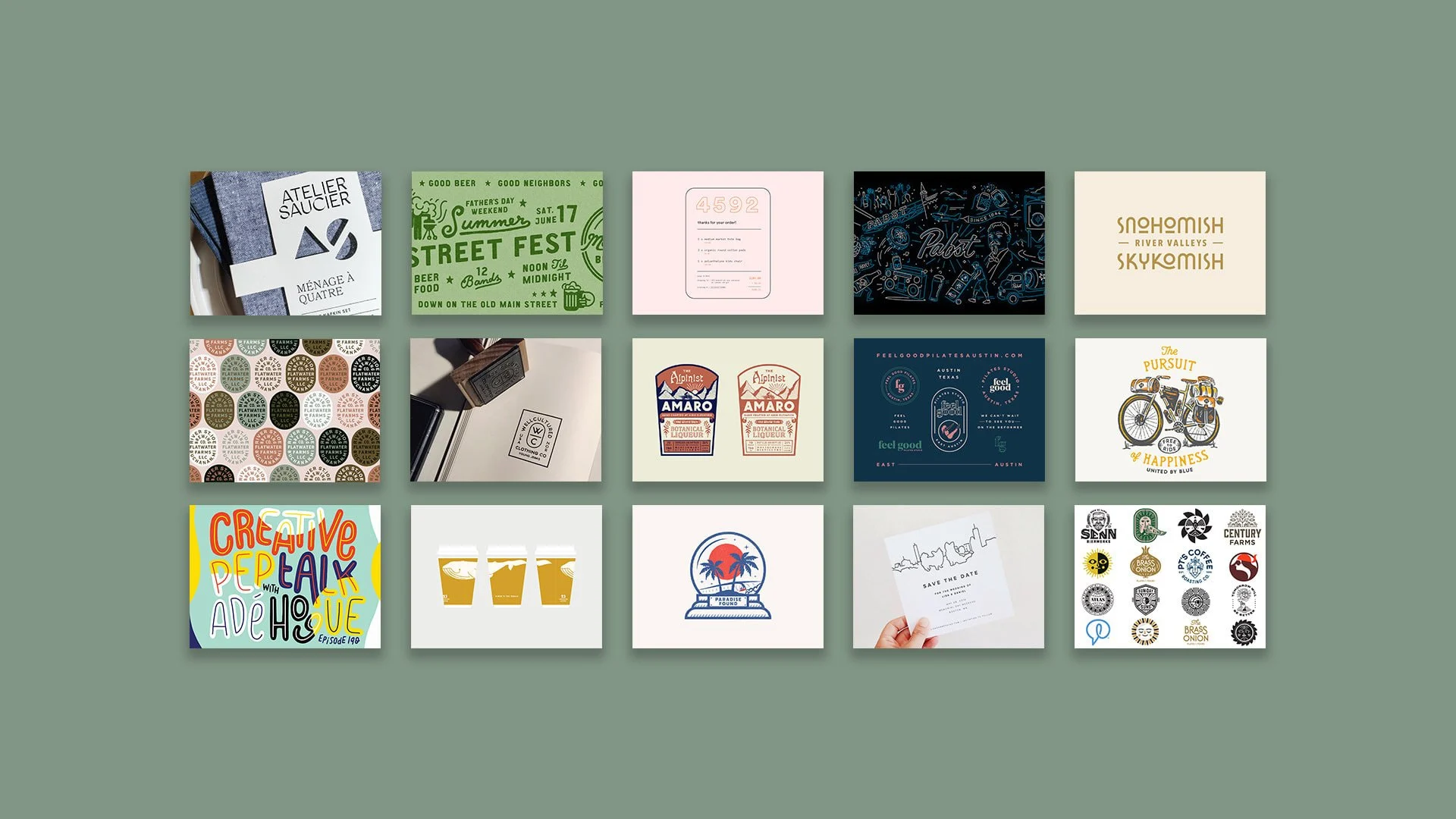
Every creative person has been there, staring at a blank screen or sketchbook and wondering where the next great idea will come from. Graphic designers in particular face this challenge almost daily, because visual creativity is not something you can always force. Some days ideas flow naturally, but on others, even the simplest task feels overwhelming. The truth is, graphic design inspiration is not limited to traditional art galleries or expensive design books. It can be found in the smallest details of life, whether that is a pattern on a coffee cup, the colors in a sunset, or even a conversation overheard on a crowded street.
Finding inspiration is not just about browsing endless galleries online, it is also about training your eye to notice details and patterns around you. When you allow yourself to look beyond the obvious and embrace curiosity, creative sparks appear more often than you expect. That said, the digital world is filled with countless resources that can help jumpstart your imagination. From graphic inspiration websites to social media communities where creators share their projects, there are endless ways to fuel your creative energy. The challenge is not whether inspiration exists, but how you choose to recognize it. This guide will walk you through places and methods to find graphic inspiration anywhere, even on days when you feel completely stuck. With a mix of digital resources, offline habits, and creative thinking exercises, you will discover that inspiration is not elusive, it is simply waiting to be noticed.
Online Resources for Graphic Design Inspiration
One of the most reliable ways to find fresh ideas is to explore graphic design inspiration websites. These platforms are created with the purpose of showcasing innovative design work from professionals and rising creatives. They allow you to browse different styles, color palettes, and techniques that might spark a new direction for your own projects. You do not need to copy what you see, but rather study the structure, flow, and creativity behind each design.
Among the popular platforms, Behance stands out as a favorite for many designers. It offers detailed case studies where artists explain their process, making it easier to understand the thought behind a design rather than just the final image. For designers looking to grow, this behind the scenes aspect can be just as valuable as the visuals themselves.
Communities also play a huge role in sharing and discovering creative energy. Graphic design inspiration Reddit groups are excellent places to interact with peers, exchange feedback, and stay updated on design trends. The open format encourages casual conversation and honest critique, which can often lead to breakthroughs you might not achieve on your own.
Another vibrant resource is Graphic Design Inspiration Pinterest, where countless boards are curated with mood boards, typography examples, poster layouts, and more. Unlike traditional websites, Pinterest is visual-first, which makes scrolling through it feel more like wandering through an art museum of ideas. This format can be especially helpful when you are working on branding or campaign visuals that rely heavily on mood and tone.
When exploring design inspiration sites, remember that the goal is not to replicate but to adapt and evolve ideas. True creativity comes from combining different influences into something personal and unique.
FAQs
How do graphic designers get inspiration?
Graphic designers find inspiration from both online platforms and everyday surroundings. Websites, communities, and Pinterest boards are great resources, but many designers also draw from real life experiences. They observe colors, textures, and patterns in their environment, while also experimenting with sketching, photography, and brainstorming sessions to keep creativity flowing.
What are the 7 rules of graphic design?
The seven rules often considered essential in graphic design include balance, alignment, contrast, hierarchy, repetition, proximity, and space. These principles create structure, flow, and visual harmony. Following these rules ensures designs are both visually appealing and easy to understand, while still leaving space for creative flexibility.
What are the three things to consider when using a design for inspiration?
The three important considerations are originality, adaptation, and purpose. Originality means avoiding direct copying, adaptation means using elements in your own unique way, and purpose ensures the design serves your project’s message or audience rather than existing as decoration alone.
Where does inspiration for designs come from?
Inspiration can come from countless places. It might be found online through graphic inspiration websites, social platforms, and Pinterest boards, or offline through travel, nature, architecture, and personal experiences. The best designers learn to keep their eyes open and collect ideas from all aspects of life.
What motivates a graphic designer?
Motivation often comes from the desire to communicate ideas visually, solve problems creatively, and inspire audiences. Many designers are driven by curiosity, the joy of creating something meaningful, and the satisfaction of seeing their work connect with others. External recognition helps, but the strongest motivation comes from the passion to create.
Offline Sources of Inspiration
While digital platforms are powerful, some of the most authentic sparks of creativity come from stepping away from the screen and immersing yourself in the physical world. Walking through a busy street can reveal fascinating layers of design, from the mix of fonts on storefronts to the bold colors of advertisements peeling on old walls. Nature also provides endless references, with its effortless harmony of colors, shapes, and textures that no software can replicate.
Even something as simple as the way sunlight filters through trees or the pattern of raindrops on a window can inspire unique palettes and layouts. Museums, bookstores, and local markets are treasure troves of visual language, each offering fresh perspectives that can influence typography, branding, or illustration. Photography is another powerful tool, because capturing everyday objects from unusual angles builds a personal library of references you can return to when ideas run dry. Keeping a sketchbook or journal nearby allows you to jot down quick thoughts, doodles, or color combinations whenever they strike, turning fleeting observations into long-term creative fuel. Offline sources remind designers that inspiration is not locked inside screens, it is alive in the rhythm of real life, waiting to be noticed and transformed into something new.
Graphic Design Inspiration: Creative Practices to Boost Inspiration
Building a steady flow of creativity often comes down to the small habits you develop every day. One effective practice is creating mood boards filled with colors, textures, and typography that match the energy of a project. This not only organizes your thoughts visually but also gives you a reference point when ideas feel scattered. Setting aside time for daily design challenges, even if it is something as simple as redesigning a quote or experimenting with a logo concept, keeps your creative muscles active and prevents burnout. Design inspiration ideas: Exploring different creative disciplines such as photography, illustration, or even architecture can add new dimensions to your work, because inspiration often comes when you blend ideas from unexpected places. Changing your environment also makes a huge difference, whether that means working in a café, visiting a park, or rearranging your workspace to break the routine. Sometimes the smallest shift in the atmosphere can unlock new perspectives. Journaling and sketching are equally powerful because they allow raw, unpolished thoughts to flow without judgment, and those scribbles often evolve into polished designs later. By embracing these practices, designers train themselves to stay open, curious, and ready to capture sparks of inspiration whenever they appear.
In the end, finding graphic inspiration anywhere is less about waiting for a spark and more about creating the right conditions for it to appear. Whether you browse graphic design inspiration websites, dive into Behance case studies, join graphic design inspiration Reddit discussions, or scroll through Graphic Inspiration Pinterest boards, remember that inspiration is everywhere if you train yourself to see it. Pair these digital resources with offline observations and creative practices, and you will never run out of ideas to explore.