

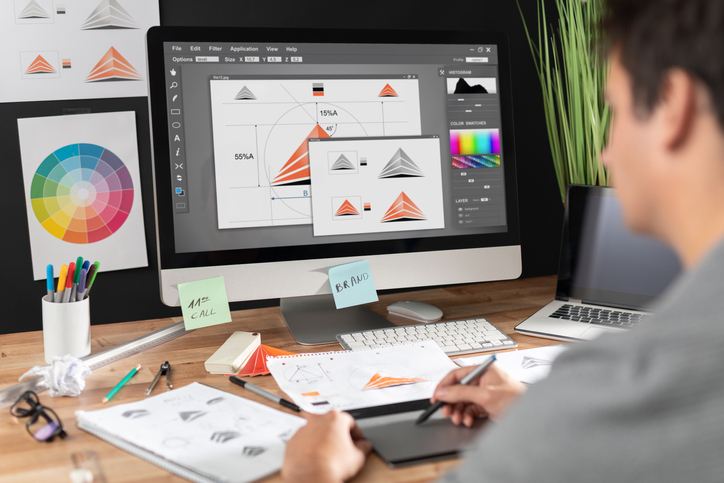
In a world where everything feels like it lives on a screen, print still has a charm that is hard to replace. Think about the last time you held a beautifully designed brochure or opened an invitation printed on luxurious textured paper. It probably made you pause for a moment, smile, and feel the intention behind it. That feeling is exactly why print design continues to hold value today. Digital content may be everywhere, but the tangible nature of print still connects with people on a personal level.
Print brings a sense of authenticity and presence that digital cannot fully replicate. A brand that invests in quality print layout shows it cares about detail and experience. People remember the look and feel of something they can touch. It might be a book cover that sparks curiosity, a poster that grabs attention, or packaging that makes a product seem more special. In fact, some of the most successful marketing campaigns blend digital strategies with creative print layout ideas to leave a lasting impression.
This is not about replacing digital media. It is about using both in harmony. Print is not going anywhere, but it is evolving. Today, designers can work with sustainable materials, experiment with textures, and even combine print with QR codes or augmented reality for interactive experiences. Print layout is alive, modern, and just as important as ever. It offers a unique opportunity to connect with audiences in a way that clicks and swipes simply cannot achieve.
Print Design: The Power of Tangibility
One of the most remarkable strengths of print is its ability to create a physical connection with the audience. When someone holds a beautifully designed brochure, a thick business card, or a magazine with striking print design images, they experience more than just a message. Tangible materials engage multiple senses at once, which helps information stay in memory longer. The texture of the paper, the weight of the material, and even the smell of fresh ink can add emotional depth to a brand’s message. Unlike digital ads that disappear with a scroll, printed materials remain visible and accessible. They sit on desks, are pinned to bulletin boards, or passed from hand to hand, allowing a message to reach more people over time. This is why many companies still invest in creative print layout ideas to stand out and build stronger relationships with their audience.
Print Design Fabric as a Creative Playground
Print is where creativity comes alive without limits. Unlike digital design, which is often constrained by screen sizes and device compatibility, print allows designers to experiment with textures, materials, and formats in ways that feel almost endless. From bold typography on a poster to intricate illustrations on packaging, print gives ideas a physical presence. Designers can play with paper thickness, finishes like matte or gloss, and even unusual shapes that make the piece stand out. For example, exploring print layout fabric can inspire unique merchandise or packaging that feels fresh and exciting. A print layout template can serve as a foundation, but the real magic happens when it is customized with colors, patterns, and layouts that reflect a brand’s personality. This freedom makes print a space where imagination can truly run wild and where every project becomes a chance to create something memorable.
Print Works Alongside Digital
Print and digital are not competitors, they are partners that can work together to create stronger communication strategies. A well-designed flyer or postcard can lead someone to a website through a QR code, a social media handle, or a discount code. Catalogs still inspire purchases by letting people flip through pages at their own pace, and they often drive customers to shop online for convenience. Using print layout online tools, businesses can create professional materials quickly and connect them with digital campaigns. For example, a printed invitation can direct recipients to RSVP online, or a booklet can complement a virtual presentation by giving attendees something tangible to review later. This combination creates multiple touchpoints, making it more likely that the message will be remembered and acted upon. When brands blend their digital marketing with creative print layout ideas, they build a more complete and memorable customer experience.
FAQs
What do you mean by print layout?
Print layout is the process of creating visual content meant to be physically printed rather than displayed on a screen. It includes everything from posters and magazines to packaging and business cards, turning ideas into tangible communication pieces.
What is a print layout?
A print layout is any visual artwork created with the purpose of being printed. This can be a flyer, a catalog, a book cover, or even branded merchandise. Its goal is to communicate a message in a visually appealing and effective way.
What does a print designer do?
A designer creates layouts, selects fonts, chooses colors, and prepares artwork for physical printing. They ensure that images, text, and graphics come together in a way that looks professional and fits the project’s purpose.
How to design a graphic print?
Designing a graphic print starts with an idea or concept. The designer sketches or builds the layout, selects colors, and ensures high resolution for sharp printing. Using a print design template can save time, and reviewing test prints helps guarantee quality before final production.
Is print layout hard?
Print layout can be challenging because it requires attention to detail, understanding of color modes, and knowledge of printing techniques. However, with practice and access to print layout online tools, anyone can learn to create professional, creative designs.
Sustainability and Print
Sustainability has become one of the most important conversations in the design world, and print is no exception. Today, brands and designers are rethinking how printed materials are produced to reduce their impact on the environment. Many companies now use recycled paper, plant-based or soy-based inks, and energy-efficient printing processes. This shift shows that print can be both beautiful and responsible. Choosing sustainable materials does not mean compromising on quality in fact, it often makes a printed piece feel more thoughtful and intentional. Designers are also creating smaller, smarter pieces that use space efficiently, reducing waste while still communicating the message clearly. Even using digital tools to create a print layout template helps minimize mistakes before production, saving resources. As consumers become more eco-conscious, they appreciate brands that take steps toward greener printing practices. This commitment to sustainability makes printed materials not just relevant but meaningful in today’s world.
The Emotional Connection
Print has a unique ability to create an emotional response that digital media often struggles to achieve. When someone receives a beautifully printed invitation, a heartfelt card, or a thoughtfully designed brochure, it feels personal and intentional. The tactile quality of print slows people down and invites them to interact with the message rather than just glance at it. The choice of colors, fonts, textures, and even finishes like embossing or foil can evoke specific feelings and leave a lasting impression. This is why many businesses still invest in creative print layout ideas that make customers feel valued and connected. Unlike an email that can be deleted in seconds, a printed piece may sit on a desk, be pinned to a fridge, or even be kept as a keepsake. This lasting presence helps deepen the relationship between the audience and the brand, turning a simple message into a memorable experience.
In the end, print layout is far from outdated, it is evolving into something more meaningful and creative. In a time when screens dominate, printed pieces offer a personal touch and a lasting impression. Whether it is experimenting with fresh print design ideas, working with unique print layout fabric, or creating a custom print layout template, the goal is the same, to connect with people in a memorable way. Blending print design online tools with traditional techniques ensures that print remains relevant, sustainable, and impactful for years to come.